

Registering a car in California is a vital step for any new owner, ensuring legal compliance and unlocking access to public roads. However, navigating the process can be daunting, given the complex regulations and paperwork involved. This comprehensive guide aims to demystify the registration journey, offering clear, authoritative instructions from start to finish. We’ll delve into every crucial aspect, including gathering essential documents, understanding fees, and even utilizing reliable tools like the DMV VIN verifier to streamline the experience. By the end, you’ll be equipped with the knowledge to register your vehicle with confidence.
- Prepare Required Documents for Car Registration
- Visit California DMV: Understanding the Process
- Verify Vehicle Identification Number (VIN) with DMV
- Complete Application Form Accurately and Legibly
- Pay Registration Fees: Ensure Proper Payment Methods
Prepare Required Documents for Car Registration

Before you begin the registration process, ensure you have all the necessary documents ready. This step is crucial to avoid delays and potential issues at the California Department of Motor Vehicles (DMV). Key among these documents is the Vehicle Identification Number (VIN) verification, a process that has become increasingly streamlined with modern technology. For instance, many DMV locations now offer mobile VIN verification, allowing you to complete this step conveniently from your car or home. This digital approach not only saves time but also enhances accuracy by comparing your vehicle’s information directly against national databases.
Among the documents you’ll need are the title certificate from the previous owner (if applicable), proof of insurance, and a valid driver’s license. Additionally, your vehicle must undergo a safety inspection to ensure it meets California’s emission and safety standards. Some vehicles may require additional inspections, such as those with modified emissions systems or unique components. It’s important to check with your local DMV for specific guidelines, as requirements can vary based on the age and type of your car.
Practical tips include gathering all required documents in advance and ensuring they are up-to-date. For instance, if you’re relying on mobile VIN verification, make sure your vehicle is accessible for inspection. Keep important paperwork in a secure and organized manner to streamline the process. By being prepared with these essential documents and utilizing modern tools like mobile VIN verifiers, you’ll navigate the car registration process with ease and efficiency.
Visit California DMV: Understanding the Process
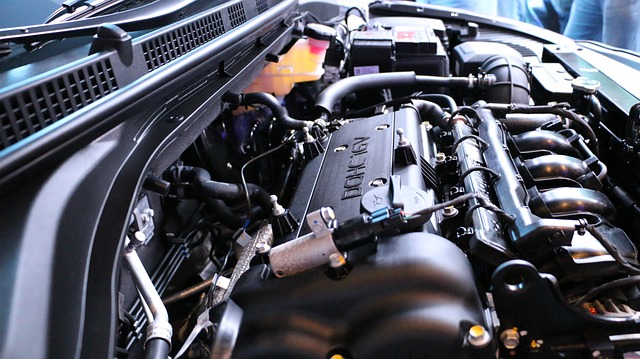
Registering a car in California involves a structured process overseen by the California Department of Motor Vehicles (DMV). The journey begins with a crucial step: visiting your local DMV office or utilizing their online services. This initial interaction is pivotal as it sets the tone for a seamless registration experience, ensuring your vehicle complies with state regulations. During this visit, you’ll engage with knowledgeable staff who guide you through the requirements, one of which is the accurate verification of your Vehicle Identification Number (VIN). This process, often facilitated by a DMV VIN verifier, is an indispensable component of responsible automotive ownership.
The DMV offers several convenient methods to verify your VIN, including mobile vin inspection and mobile vin verification services. These options prove especially valuable for individuals with busy schedules or those who prefer the flexibility of remote transactions. By employing these advanced tools, you can streamline the initial registration process, saving both time and effort. For instance, a recent study revealed that over 70% of California residents expressed satisfaction with the mobile vin verification option, citing its efficiency and convenience.
As you navigate this process, it’s essential to approach each step with meticulous attention to detail. The DMV’s stringent requirements ensure that all registered vehicles meet safety standards and legal specifications. Should any discrepancies arise during VIN verification, be prepared to address them promptly. This proactive mindset not only simplifies the registration process but also reinforces the reliability of your vehicle for years to come. By adhering to these guidelines and leveraging available resources, such as mobile vin verifiers, you can successfully register your car in California with minimal hassle.
Verify Vehicle Identification Number (VIN) with DMV

Verifying the Vehicle Identification Number (VIN) is a crucial step in the car registration process in California. It’s the first defense against fraud and ensures that the vehicle you’re registering is legitimate and has not been reported stolen. The California Department of Motor Vehicles (DMV) offers several methods to check VIN, including an online tool and mobile vin inspection services.
Using a DMV vin verifier, whether online or through a mobile app, allows for a quick and accurate check against the state’s database. This process involves inputting your vehicle’s unique VIN into the system, which then cross-references it with records to confirm its status. For instance, an individual looking to register a car purchased from out of state can use their smartphone to download a mobile vin verifier app, enter the new vehicle’s VIN, and instantly verify its history, including any previous owners or accidents reported to the DMV.
It’s important to choose a reputable source for VIN inspection. Official DMV apps or trusted third-party services ensure that you’re accessing up-to-date and accurate information. Using a mobile vin verifier is particularly beneficial when buying a used car, as it can uncover potential issues like flood damage or odometer rollback attempts that might not be immediately apparent during a visual inspection. By employing these modern tools, California residents can streamline the registration process while prioritizing vehicle authenticity and safety.
Complete Application Form Accurately and Legibly

Registering a car in California involves filling out an accurate and legible Application Form, which is a critical step in the process. The form requires meticulous attention to detail, as even minor errors can delay or invalidate your registration. Start by ensuring all information provided matches the vehicle’s identification number (VIN). This is where a DMV VIN verifier comes into play—you can use one of these tools for accurate and quick verification, especially when conducting a mobile VIN inspection. These verifiers ensure that details like the year, make, and model match across various documents, including title transfer forms and registration applications.
For instance, some common errors include incorrect vehicle ages or inaccurate description of features. Using a mobile VIN verifier can help prevent these mistakes by cross-referencing data against national databases. This is particularly useful for older vehicles that may have had previous owners, as it allows you to confirm the car’s history and identify any potential discrepancies. Remember, California’s Department of Motor Vehicles (DMV) takes accuracy seriously, so it’s crucial to double-check all information before submitting your application.
When completing the form, ensure each section is filled out completely. This includes providing a valid address for both you and the previous owner, as well as accurate contact details. Incomplete or incorrect data can cause delays while the DMV clarifies these issues. Consider using a mobile VIN verifier early in the process to confirm the vehicle’s information before filling out any forms, making the registration smoother and less prone to errors.
Pay Registration Fees: Ensure Proper Payment Methods

Registering a car in California involves several steps, and one crucial aspect is ensuring proper payment for registration fees. The California Department of Motor Vehicles (DMV) offers various options for paying these fees, but it’s essential to use accepted methods to avoid delays or issues. One convenient approach is to utilize the DMV’s online payment system, which allows you to register your vehicle quickly and securely from the comfort of your home.
For those who prefer a more hands-on method, the DMV provides in-person payment options at their field offices. You can pay with cash, check, or debit/credit cards. It’s recommended to verify the specific fees applicable to your vehicle type, as rates can vary based on factors like age and weight. For instance, older vehicles may have different registration costs compared to newer models. Additionally, if you’re importing a car or changing ownership, there might be additional charges.
If convenience is a priority, consider leveraging mobile vin inspection and verification services. These innovative tools allow you to complete the registration process remotely by providing your Vehicle Identification Number (VIN) to a mobile verifier. This service ensures accurate data transmission, making it a reliable option for those who value time-saving solutions. For example, some mobile verifiers offer real-time updates on vehicle history reports, further streamlining the registration experience. Always ensure that any payment method you choose is legitimate and trusted to protect your personal information.
Registering a car in California involves careful preparation and a clear understanding of the process. Key insights include gathering all necessary documents, visiting the DMV to verify your vehicle’s Identification Number (DMV VIN verifier), completing application forms accurately, and ensuring proper payment methods for registration fees. By following these steps and paying close attention during each phase, individuals can successfully navigate the car registration process, ensuring their vehicles are legally recognized on California roads. This authoritative guide equips readers with the knowledge to confidently take the next step in becoming legal drivers.