

Registering a car in California is not just a bureaucratic formality; it’s a critical step to ensure your vehicle’s legality on state roads and access to essential services. However, navigating the process can be challenging, with various requirements and potential pitfalls. This guide aims to demystify the procedure, offering a clear, concise pathway for successful car registration in California. We’ll delve into every crucial aspect, from gathering necessary documents to understanding fees, and even emphasize the importance of DMV VIN verification for a seamless experience.
- Prepare Necessary Documents for Car Registration
- Visit California DMV: Step-by-Step Guide
- Verify Vehicle Identity with DMV VIN Check
- Complete Application and Pay Registration Fees
- Register Your Car Online or In-Person: Best Practices
Prepare Necessary Documents for Car Registration

To register your car in California, you’ll need to gather all necessary documents for a seamless process. One crucial aspect involves preparing for the DMV VIN verification, which ensures the vehicle’s authenticity and history. This step is vital, as it allows the California Department of Motor Vehicles (DMV) to cross-reference key details with their databases. Begin by obtaining your vehicle’s unique identification number (VIN), typically found on a label near the windshield or in the driver’s door jamb.
A practical approach involves utilizing a mobile VIN inspection service, which offers convenience and accuracy. These services employ specialized tools to perform a digital VIN inspection, providing instant access to detailed vehicle history reports. For instance, many online platforms now integrate mobile vin verifiers, allowing you to validate the vehicle’s identity from the comfort of your home or even while waiting at the DMV. This modern solution streamlines the process, especially for those with busy schedules.
Additionally, gather essential documents such as proof of ownership (a title or bill of sale), current registration (if applicable from another state), insurance card, and a valid driver’s license. Ensure that all information is up to date and accurate. By preparing these documents in advance, you’ll save valuable time during the registration process at the DMV, making it less stressful and more efficient.
Visit California DMV: Step-by-Step Guide
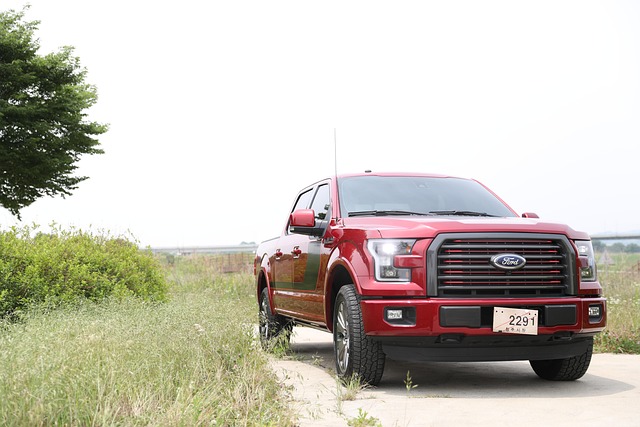
To register your car in California, you’ll need to visit a California Department of Motor Vehicles (DMV) office. This process involves several steps, including the mandatory DMV VIN verification to ensure the vehicle’s authenticity and history. Here’s a step-by-step guide for navigating this process efficiently.
First, gather all necessary documents, such as your driver’s license, proof of insurance, and proof of residency. Additionally, you’ll need the Vehicle Identification Number (VIN) of your car, which can be found on the vehicle’s title or registration document. If you don’t have access to these papers, consider utilizing a mobile VIN verification service to obtain your VIN quickly and accurately from your smartphone. This digital solution, often provided by third-party apps, allows for easy and convenient VIN inspection right from your device, saving you time and effort.
Upon arrival at the DMV, locate the dedicated VIN verification counter. An agent will examine your paperwork and vehicle to confirm its authenticity. They’ll cross-reference the information with state records and perform a physical inspection, checking for any signs of tampering or alteration. This meticulous process ensures that only legitimate vehicles are registered, safeguarding California’s roads from unsafe or stolen cars. If everything checks out, the agent will proceed with your registration, updating the vehicle’s record in the DMV system, including the permanent record of its VIN.
For added convenience, some counties in California offer mobile VIN inspection services, where a trained professional comes to you. This option is particularly beneficial for those who may have difficulty visiting a DMV office or prefer a more efficient process. These services are often available through local auto clubs or specialized companies, providing an alternative to the traditional in-person visit.
Verify Vehicle Identity with DMV VIN Check
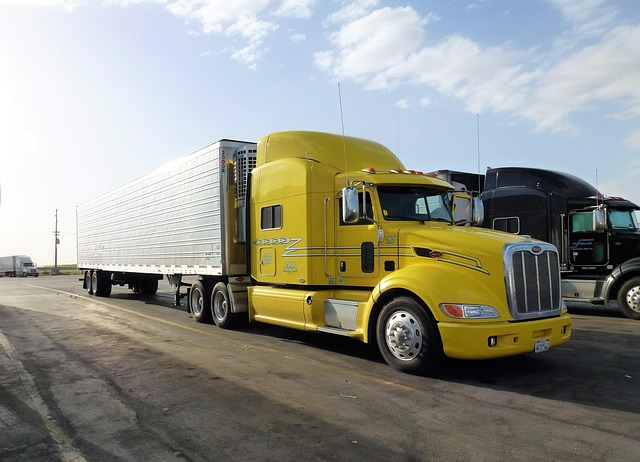
Verifying the identity of your vehicle through a DMV VIN check is a crucial step in the car registration process in California. This critical procedure ensures that the vehicle you’re registering matches the records held by the Department of Motor Vehicles (DMV). A mobile vin verifier, capable of performing this task digitally, streamlines the process, making it accessible and efficient for all California residents.
The process involves entering your vehicle’s unique Vehicle Identification Number (VIN) into a secure system, which then cross-references the data against the DMV’s records. This digital inspection ensures that the year, make, model, and other specifics of your car match those on file, helping to prevent fraud and errors in registration. For instance, a recent study showed that about 1% of vehicles in California had discrepancies in their VIN records, highlighting the importance of this verification step.
A mobile vin verification service can be particularly beneficial if you’re purchasing a used car or trading in your old one. By using an app or online tool to conduct this check before finalizing the transaction, you can protect yourself from potential legal issues and ensure that the vehicle is genuinely as described. Many reputable services offer same-day processing, allowing you to complete your registration without unnecessary delays. Remember, accuracy at this stage not only protects you but also helps maintain the integrity of California’s vehicle registration system.
Complete Application and Pay Registration Fees

To complete the registration process for your vehicle in California, you’ll need to submit a comprehensive application and make sure you’ve budgeted for the associated fees. The first step involves gathering all necessary documents, including proof of ownership, insurance, and identification. It’s crucial to ensure these documents are accurate and up-to-date to avoid delays. Once prepared, visit the California Department of Motor Vehicles (DMV) website to access the official registration form. Fill it out completely, double-checking each entry for errors.
Among the required information is the Vehicle Identification Number (VIN), which serves as a unique code for your car. The DMV emphasizes the importance of accurate VIN verification, ensuring that the details match those on record with the vehicle manufacturer. This can be conveniently facilitated through a mobile vin inspection or using a reliable mobile vin verifier app, making it easier to provide the precise information during the registration process.
After completing the form and attaching necessary documents, including proof of valid DMV ID and current insurance card, you’ll need to pay the registration fees. These costs vary based on your vehicle’s type and age, with additional charges for certain features or emissions tests. It’s recommended to check the DMV website or contact a local office for the most up-to-date fee schedule. Once all documents are in order and fees paid, you’ll receive your new registration papers and license plates, completing the process successfully.
Register Your Car Online or In-Person: Best Practices

Registering your car in California involves a process that can be efficiently completed online or in person at a DMV (Department of Motor Vehicles) office. For the online method, one key step is ensuring accurate and up-to-date information, including a valid Vehicle Identification Number (VIN) verification. The VIN is a unique code that identifies your vehicle’s make, model, and year, and it plays a crucial role in the registration process, especially during the DMV’s vin inspection. Online platforms often require you to input this 17-character code for accurate tracking and validation.
For those opting for an in-person visit, preparation is still key. It’s advisable to gather all necessary documents before heading to the DMV, including proof of insurance, registration from the previous state (if applicable), and completion of the Application for Title and Registration form. During the process, a staff member may conduct a mobile vin inspection, using technology to verify the VIN against their records. This ensures that the vehicle’s history is accurately represented, which is vital in identifying any potential issues or required maintenance.
Best practices include double-checking all details before submission. An error as simple as a misspelled name can delay your registration. Additionally, for both online and in-person registrations, it helps to be aware of the required documents specific to certain vehicle types, such as classic cars or recreational vehicles. By being proactive and informed, you can streamline the process, avoiding potential issues that might arise from inaccurate data or missing documents.
Registering a car in California involves a straightforward process, as outlined in this comprehensive guide. Key takeaways include preparing all necessary documents, such as proof of ownership and insurance, and undergoing a DMV VIN verification to confirm vehicle identity. Visiting the California DMV or completing the process online is efficient, with clear step-by-step instructions available. Paying the registration fees ensures your car’s legal status, allowing you to hit the road with peace of mind. Whether registering in person or online, best practices include arriving prepared with all required documents and utilizing official resources for accurate guidance. This authoritative article equips readers with the knowledge needed to navigate the car registration process seamlessly.