

Registering a car in California is more than just a bureaucratic task; it’s a crucial step ensuring your vehicle’s legal status and your safety on the roads. However, navigating the process can be challenging, with its numerous requirements and potential pitfalls. This article provides an authoritative guide to demystifying the registration process, focusing on a key aspect: accurate Vehicle Identification Number (VIN) verification. We’ll walk you through each step, ensuring compliance and peace of mind, so you can confidently hit the California highways.
- Gather Required Documents for Car Registration
- Prepare for Vehicle Identification Number (VIN) Verification
- Choose a California Department of Motor Vehicles (DMV) Service Center
- Complete the Registration Application Process Online or In-Person
- Understand Post-Registration Steps and Costs in California
Gather Required Documents for Car Registration

Before you begin the car registration process in California, ensure you have all the necessary documents ready. This step is crucial for a smooth and efficient registration experience. Gather your vehicle’s registration from the previous owner, a valid driver’s license or state-issued ID card, proof of insurance, and the Vehicle Identification Number (VIN) verification report. The VIN, a unique code assigned to each vehicle, plays a vital role in the registration process, especially during the VIN inspection.
For a quick and convenient solution, consider utilizing mobile VIN verification services. These services allow you to obtain a digital VIN report on your smartphone or tablet by simply scanning the vehicle’s VIN plate. This modern approach streamlines the initial stages of registration, saving time and effort. It’s worth noting that some third-party apps offer this service, providing an alternative to traditional documentation methods.
Additionally, have your insurance information at hand, including the policy number and proof of coverage. California requires specific minimum liability insurance levels for registered vehicles, so ensure you meet these requirements before proceeding. Remember, accurate and complete documentation is key to avoiding delays or complications during car registration in California.
Prepare for Vehicle Identification Number (VIN) Verification
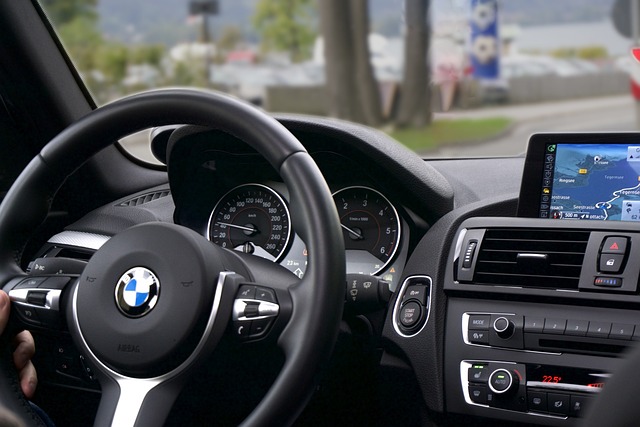
Registering a car in California involves several crucial steps, and one of the most critical is Vehicle Identification Number (VIN) verification. This process ensures that your vehicle’s unique identification number matches the information on record with the California Department of Motor Vehicles (DMV). It’s not just about checking for accuracy; it also helps prevent fraud and identity theft. Many potential issues can go unnoticed without proper VIN verification, including incorrect model year, odometer tampering, or even a vehicle being reported as stolen.
While you might be tempted to handle this process yourself at a local DMV office, consider the benefits of mobile VIN verification services. These services send a professional inspector to your location—be it your home or workplace—to conduct a thorough inspection. Mobile VIN verifiers use specialized equipment and training to cross-reference your vehicle’s VIN with national databases, providing immediate feedback on any discrepancies. For instance, a study by the National Insurance Crime Bureau (NICB) found that mobile app-based VIN checks can detect fraudulent activities 30% faster than traditional methods.
For example, let’s say you’ve recently purchased a used car in California. Before finalizing the registration, arrange for a mobile VIN inspection. The verifier will check the VIN against the vehicle history report, ensuring it aligns with the information provided by the seller and confirming that no red flags exist. If discrepancies are found, address them promptly—whether it’s correcting documentation or dealing with potential legal issues. This proactive approach not only speeds up the registration process but also offers peace of mind, knowing your vehicle is properly registered and safe to drive.
Choose a California Department of Motor Vehicles (DMV) Service Center

Choosing the right California Department of Motor Vehicles (DMV) Service Center is a crucial step in the car registration process. With numerous locations across the state, it’s essential to select one that offers efficient services tailored to your needs. Consider factors like proximity, appointment availability, and specialized services such as mobile VIN verification. Many DMV centers provide this service, allowing you to verify your vehicle’s unique identification number (VIN) at your convenience, especially useful for those with busy schedules or limited mobility.
For instance, the DMV’s online platform offers a convenient way to schedule appointments for VIN inspections, ensuring a smoother process. Some centers may also offer additional services like vehicle registration renewals, title transfers, and driver license updates under one roof. This streamlined approach can save you time and effort. If you’re unable to visit a physical location, consider utilizing the mobile VIN verifier option, which enables you to obtain crucial vehicle information remotely.
When selecting a DMV service center, remember that some may have longer wait times or limited resources. Researching in advance and comparing services can help you make an informed decision. Additionally, understanding the specific requirements for your vehicle registration, like necessary documents and fees, will ensure a seamless experience during your visit. By strategically choosing a DMV location, you can navigate the registration process efficiently, avoiding potential delays and ensuring a smooth transition for your newly registered vehicle.
Complete the Registration Application Process Online or In-Person

Registering a car in California involves several steps, one of which is completing the registration application process. You have two options for this crucial stage: go online or visit an in-person DMV office. Both methods have their advantages and are equally effective when done correctly. If you opt for the digital route, you can save time by utilizing the California Department of Motor Vehicles (DMV) online services. The process involves inputting your vehicle’s details, including its make, model, year, and unique Vehicle Identification Number (VIN). This VIN verification step ensures the information matches existing records, a critical component in preventing fraud.
For instance, when using a mobile vin inspection or verifier app, you can simply scan your car’s VIN plate to auto-fill most of the form. This not only streamlines the process but also minimizes errors. However, if accuracy is paramount or you’re unsure about any details, visiting a DMV office remains an option. In-person registration allows for immediate feedback and clarifications from DMV staff, ensuring every aspect of your application is correct. They can also perform a visual VIN verification during your visit to confirm the vehicle’s authenticity.
Whichever method you choose, ensure all documents are in order before starting. This includes proof of ownership, insurance, and identification. Having these ready demonstrates your preparedness and makes the process smoother for both you and the DMV staff. Whether online or in-person, completing the registration application is a vital step that must be done accurately to legally register your vehicle in California.
Understand Post-Registration Steps and Costs in California

After successfully registering your vehicle with the California Department of Motor Vehicles (DMV), there are several crucial post-registration steps to complete, along with associated costs to consider. One vital task is ensuring accurate and up-to-date Vehicle Identification Number (VIN) verification. In California, VIN inspection is often conducted by certified professionals, who can perform a comprehensive check on the vehicle’s history, including its origin, previous owners, and any reported accidents or outstanding issues. This process is particularly important given California’s stringent regulations regarding vehicle safety and emissions standards.
For instance, many car dealerships in California offer mobile VIN verification services, allowing you to have your vehicle inspected at your convenience—whether it’s at home, work, or during a test drive. This option can be especially beneficial for those with busy schedules or limited mobility. The cost of a mobile VIN inspection typically ranges between $50 and $100, depending on the service provider and whether additional fees apply, such as for vehicles with specialized equipment or hard-to-reach locations. Regularly updating your vehicle’s VIN record is not only a legal requirement but also ensures that any potential issues are addressed promptly, enhancing safety and peace of mind.
It’s worth noting that California’s DMV provides an online platform for managing vehicle registration and related services, including VIN verification. However, for complex cases or when buying a used car, enlisting the help of a professional inspector can offer invaluable insights into the vehicle’s past and current condition. By taking these steps and understanding the associated costs, you’ll ensure that your registered vehicle in California is safe, legal, and ready to hit the roads with confidence.
Registering a car in California involves several key steps, from gathering essential documents to completing the application process and understanding post-registration costs. The most crucial aspect is successful Vehicle Identification Number (VIN) verification, ensuring the vehicle’s authenticity and history. Choosing the right California Department of Motor Vehicles (DMV) service center streamlines the process. Whether conducting it online or in person, completing the registration application is straightforward. By following these steps and staying informed about associated costs, individuals can efficiently navigate the car registration process in California, leveraging key insights from this authoritative guide.