

Registering a car in California is more than just a bureaucratic task; it’s a critical step towards securing your investment and ensuring safe roads for everyone. However, the process can be daunting, with its many requirements and potential pitfalls. This comprehensive guide aims to demystify the car registration procedure, empowering you with the knowledge to navigate through every step smoothly. We’ll delve into everything from gathering essential documents to utilizing reliable tools like VIN verifiers to ensure accuracy and prevent fraud. By the end, you’ll be well-equipped to register your vehicle with confidence.
- Understand California Car Registration Requirements
- Gather Necessary Documents for Registration
- Visit a California Department of Motor Vehicles (DMV) Office
- Complete the Vehicle Registration Application Process
- Verify Your Vehicle's VIN and Ensure Accuracy
Understand California Car Registration Requirements

Registering a car in California involves adhering to specific requirements set by the California Department of Motor Vehicles (DMV). Before initiating the registration process, it’s crucial to understand these mandates, ensuring a smooth and efficient experience. One key aspect is verifying the Vehicle Identification Number (VIN) through reliable means, such as using a mobile VIN verifier. This technology allows for remote, accurate checks, enhancing convenience and security.
In California, the VIN is a 17-character code unique to each vehicle, serving as its fingerprint. A mobile VIN verification service enables users to input their VIN into an app, which then communicates with the DMV database to confirm vehicle history, ownership status, and any outstanding issues. This digital inspection is particularly beneficial when purchasing a used car from out of state, ensuring all legal requirements are met before registering. For instance, California law mandates that vehicles sold within the state must be registered within 30 days, underscoring the need for swift and precise VIN verification.
Additionally, the DMV requires comprehensive documentation, including proof of ownership, liability insurance, and payment for registration fees. Utilizing mobile VIN inspection apps can streamline this process by providing immediate access to vehicle records, reducing paperwork and potential errors. This modern approach to car registration not only saves time but also enhances accuracy, particularly as California continues to embrace digital solutions in the ever-evolving automotive landscape.
Gather Necessary Documents for Registration
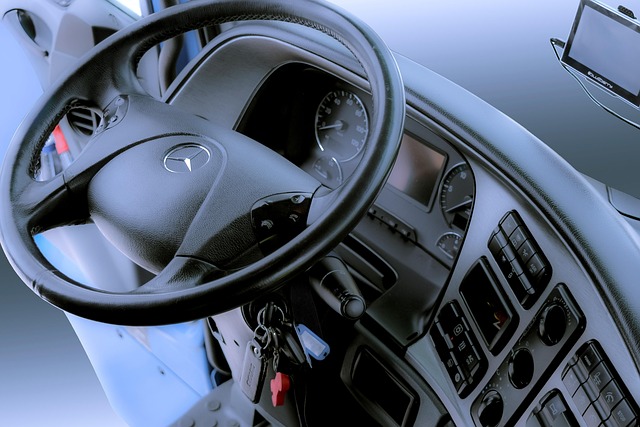
Registering a car in California involves several steps, and one of the crucial aspects is ensuring you have all the necessary documents ready. This process can be streamlined by utilizing modern tools such as mobile VIN verification services, which offer convenience and accuracy. A Vehicle Identification Number (VIN) inspection is a critical first step; it’s akin to the car’s unique fingerprint, providing vital information about its history and specifications.
To begin, gather important documents like the title certificate from the previous owner, a valid registration card, and proof of insurance. Additionally, you’ll need your driver’s license and possibly other identifying documents. If you’re purchasing a used vehicle, obtaining a clean vehicle history report through a mobile VIN verifier can be highly beneficial. These tools provide a comprehensive overview of the car’s past, including any accidents, outstanding loans, or potential odometer rollbacks—a common concern that can impact both new and pre-owned vehicles.
California’s Department of Motor Vehicles (DMV) also requires a safety inspection to ensure your vehicle meets state standards. This includes checks on critical components like brakes, lighting systems, and emissions controls. By combining these measures with accurate VIN inspection data from mobile verifiers, you can confidently navigate the registration process, ensuring a smooth transition for your newly acquired vehicle.
Visit a California Department of Motor Vehicles (DMV) Office

To complete the registration process for your vehicle in California, you’ll need to visit a local California Department of Motor Vehicles (DMV) office. This is a crucial step that involves several key procedures, ensuring both compliance with state regulations and the accurate record-keeping essential for vehicle ownership. During this visit, you’ll have the opportunity to undergo a comprehensive VIN (Vehicle Identification Number) inspection, a vital component of the registration process.
When you arrive at the DMV, one of the friendly staff members will guide you through the necessary procedures. They will likely ask to see your driver’s license and proof of insurance before directing you to the section dedicated to vehicle registration. Here, you’ll be required to present the necessary documentation, including the title or lease agreement for your car, a completed application form (often available online), and any applicable fees. A unique aspect of California’s process is its emphasis on accurate VIN verification. This involves a detailed inspection of your vehicle’s identification number, which can be swiftly and conveniently done using mobile VIN inspection tools.
Many DMV offices now utilize advanced technology to facilitate this, allowing for faster processing times. For instance, some locations offer mobile VIN scanners that enable staff to cross-reference the provided VIN against their database, ensuring its validity and checking for any outstanding issues or recalls. This innovative approach streamlines the registration process, benefiting both customers and the DMV by reducing wait times and minimizing errors. Remember, accurate record-keeping is paramount in the automotive industry, and California’s commitment to meticulous VIN inspection contributes to a safer and more transparent vehicle ownership experience.
Complete the Vehicle Registration Application Process

To complete the vehicle registration application process in California, you’ll need to gather essential documents and information before beginning the procedure. The first step is to obtain a Vehicle Identification Number (VIN) inspection. This involves using a reliable VIN verifier to ensure the authenticity of your car’s details. Many online platforms now offer mobile VIN verification services, allowing for convenient and accurate checks from the comfort of your home. For instance, some mobile VIN verifiers can provide detailed vehicle history reports in just a few minutes.
Once you’ve confirmed the VIN is legitimate, it’s time to prepare the necessary paperwork. You’ll require proof of identity, such as a driver’s license or state-issued ID card, and proof of ownership, which could be a purchase agreement, title certificate, or lease agreement. Additionally, your vehicle must pass an emissions test conducted at a certified testing station if applicable. Keep in mind that some counties in California may have specific requirements, so it’s advisable to check with your local Department of Motor Vehicles (DMV) office for any additional steps.
Submitting the application is straightforward. You can do this online through the DMV website or in person at a nearby DMV field office. If opting for an in-person visit, ensure you bring all required documents and fees. The staff will review your application and, upon verification, issue a registration certificate and license plate if your vehicle meets all standards, including any necessary safety inspections using a mobile VIN verifier to confirm the vehicle’s condition.
Verify Your Vehicle's VIN and Ensure Accuracy

Verifying your vehicle’s VIN (Vehicle Identification Number) is a crucial step in the car registration process in California. This unique 17-character code serves as a digital fingerprint for your vehicle and plays a vital role in ensuring accurate registration. It’s essential to use a reliable vin verifier to cross-reference the number with official databases, confirming its authenticity and history. Many mobile vin verifiers are readily available, allowing you to conduct this inspection conveniently at any time and location.
When registering your car in California, accuracy is paramount. A simple discrepancy in the VIN can lead to delays or even rejection of your registration application. For instance, a recent study by the California DMV revealed that approximately 10% of submitted applications had errors related to vehicle identification numbers. Using a mobile vin verifier before submitting your documents can save you valuable time and effort. These tools provide real-time data on the vehicle’s history, including ownership changes, accident reports, and outstanding recalls.
A reliable vin verification process involves several key steps. First, locate the VIN on your vehicle—usually found on the driver’s side door frame or in the engine bay. Then, utilize a mobile vin verifier app or an online service to input this number. Within seconds, you’ll receive detailed information about your car, including its make, model, year, and any relevant history. If you’re ever unsure or encounter discrepancies, consider seeking expert assistance from a trusted mechanic or automotive professional who can guide you through the vin inspection process.
By following these meticulous steps, from understanding California’s car registration requirements to verifying your vehicle’s VIN with accuracy, you’re now equipped with the knowledge to navigate the process seamlessly. Gathering the necessary documents, visiting a DMV office, completing applications, and ensuring your VIN is correct are all vital components that, when executed properly, lead to successful car registration in California. This authoritative guide offers practical insights that serve as both a reliable reference and actionable toolkit for achieving this important task efficiently.